
Understanding the psychological tactics that enhance gambling strategies
The Role of Cognitive Biases in Gambling
Cognitive biases significantly influence gambling behaviors, often leading players to make irrational decisions. One common bias is the illusion of control, where individuals believe they can influence outcomes, especially in games of chance. This belief can encourage continued play, as gamblers feel more confident in their abilities, despite the inherent randomness of the games. For those seeking more information, our comprehensive guide at https://stemleadershipcanada.com/ can help you navigate these complexities.

Another prevalent bias is the gambler’s fallacy, where players assume that past outcomes affect future ones. For example, if a slot machine hasn’t paid out recently, a player may believe it is “due” for a win. Understanding these biases can help gamblers recognize their flawed thinking and develop more effective strategies that rely on logic rather than emotion.
Emotional Influences on Gambling Decisions
Emotions play a crucial role in gambling strategies. For instance, excitement and adrenaline can enhance the thrill of gambling, leading players to make impulsive decisions. This emotional high can overshadow rational thought, resulting in increased bets or chasing losses. Recognizing the emotional triggers that influence their gameplay can empower gamblers to maintain control and make more calculated decisions.
Conversely, negative emotions like frustration and sadness can lead to what is known as “tilting,” where players become overly aggressive in an attempt to recover losses. Managing emotions effectively is vital for sustaining a successful gambling strategy and mitigating potential losses.
The Impact of Social Factors on Gambling
Social influences can significantly affect gambling behavior. Peer pressure and the desire to fit in can drive individuals to gamble more than they might on their own. This social aspect can create a sense of belonging, but it can also lead to poor decision-making if individuals are swayed by their friends’ risky behaviors. In certain countries, understanding the legal regulations regarding gambling can also shape one’s approach to this activity.
Furthermore, observing others’ wins can lead to heightened excitement and a compulsion to gamble, as players may believe they too can achieve similar success. Understanding these social dynamics can help individuals approach gambling with a clearer mindset, focusing on personal strategies rather than external influences.
Using Reward Systems to Enhance Strategies
Many casinos implement reward systems to entice players to return. These systems can exploit psychological principles by reinforcing the behavior of gambling through rewards, such as cash bonuses or free spins. The anticipation of receiving a reward can encourage continued play, even in the face of losses.
Gamblers can leverage these reward systems to enhance their strategies by setting clear goals tied to these incentives. For instance, players can decide to play only when specific rewards are available, thus ensuring that their gambling remains both enjoyable and strategic, rather than aimless and impulsive.
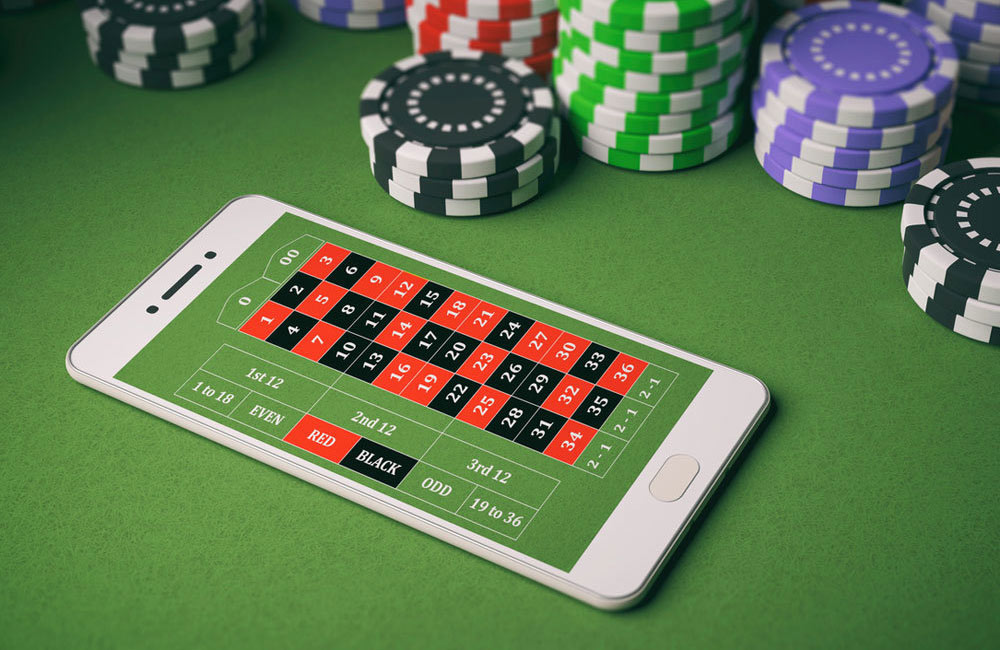
Exploring Online Gambling Resources
For those interested in improving their gambling strategies, online resources can provide invaluable insights. Websites dedicated to gambling education often offer expert analyses, tips, and strategies tailored to various gaming styles. These platforms can enhance a player’s understanding of both the psychological and strategic aspects of gambling.
By leveraging these resources, gamblers can navigate the complexities of the gambling world more effectively. Whether a novice or a seasoned player, utilizing educational tools and insights can lead to a more informed and potentially profitable gaming experience.